
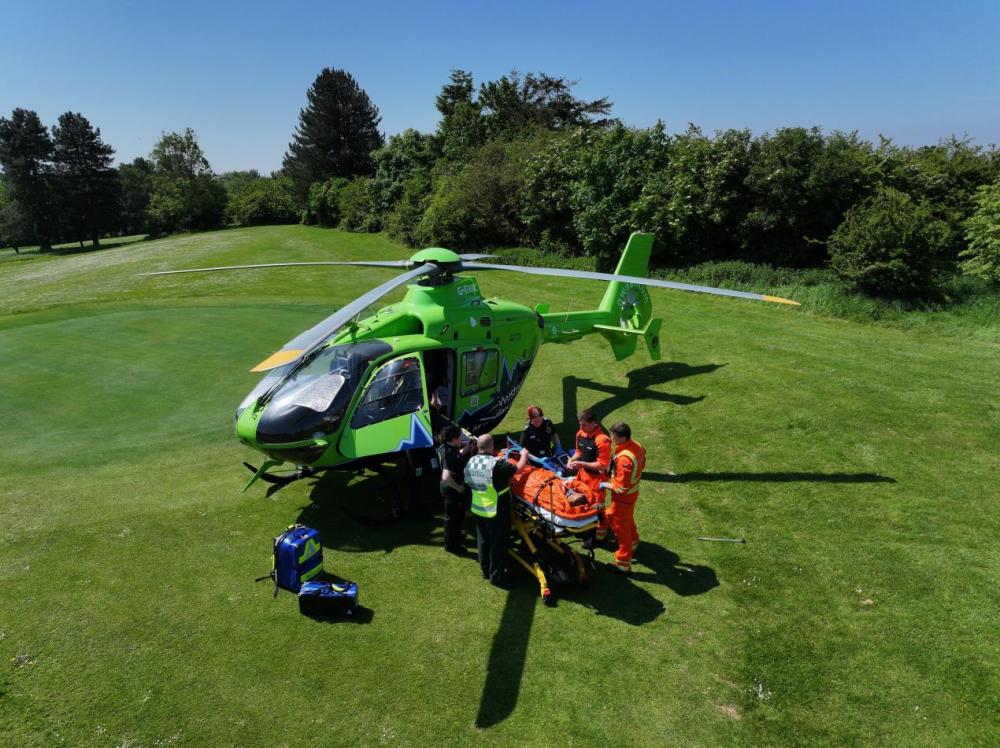
Last year, the crew from Great Western Air Ambulance Charity (GWAAC) were called to help 2,344 critically ill or injured people in the region, making it the busiest year on record for the charity.
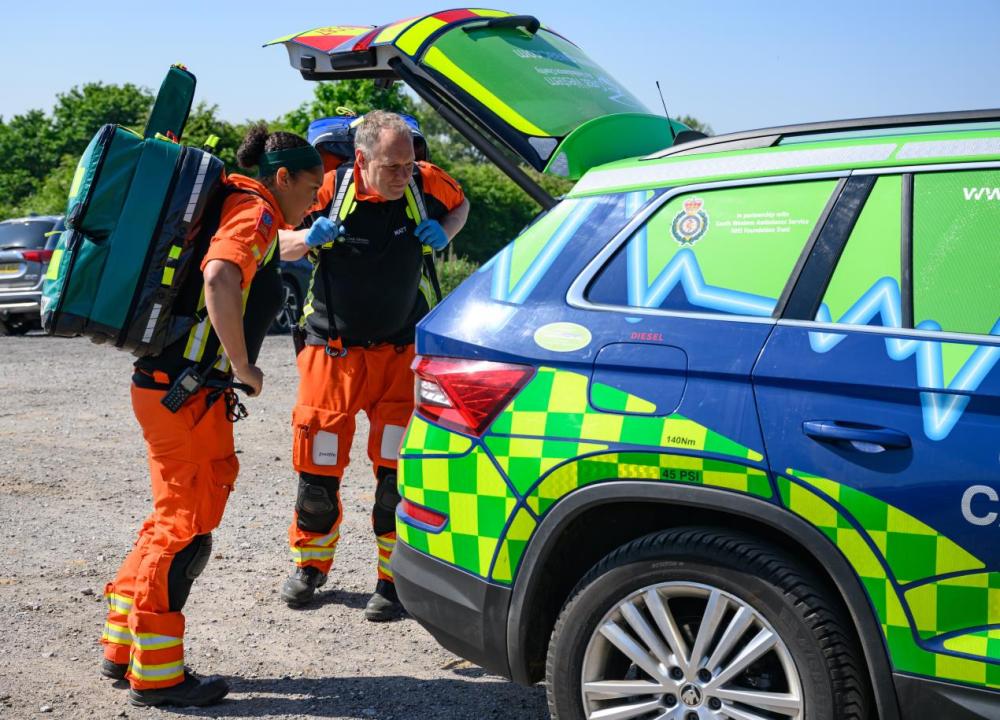
The first half of 2026 has been just as busy. From 1 January to 30 June, GWAAC’s crew responded to 1,122 patients in need of specialist care – treatment that, for some, made the difference between reaching hospital or not.
The Critical Care Team, which consists of highly skilled Critical Care Doctors, Advanced Practitioners and Specialist Paramedics in Critical Care, responded to over six call-outs a day on average.
January was GWAAC’s busiest month of the year so far, with the crew called to nearly seven missions a day on average.
Across GWAAC’s region of Bath and North East Somerset, Bristol, South Gloucestershire, Gloucestershire, North Somerset, and parts of Wiltshire, medical-related incidents continued to account for a greater proportion of the crew's call-outs than trauma-related incidents, with this proportion increasing over recent years.
In the first half of 2026, medical-related incidents accounted for 58% of call-outs compared with 42% for trauma-related incidents.
GWAAC’s Operations Officer, Tim Ross-Smith, said: "The proportion of our call-outs involving medical emergencies has continued to increase over recent years. We believe this reflects a better understanding of the specialist care GWAAC can provide, supported by initiatives such as our educational work with road ambulance colleagues and embedding a Specialist Paramedic in the 999 control room to provide immediate clinical assessment when emergency calls are received. Together, these initiatives are helping ensure the patients who are most likely to benefit from our specialist skills receive them."
Medical emergencies, such as cardiac arrests and neurological conditions, continued to make up the largest proportion of GWAAC's workload, while trauma-related incidents included road traffic collisions and falls. Cardiac arrests and road traffic collisions were the two most common reasons GWAAC’s crew were needed, making up 23% and 15% of missions so far this year respectively. The next most common incidents included neurological conditions at 8% of total missions, collapses at 7% and falls at 5%.
GWAAC’s call-outs were split roughly 65% male and 35% female. 15% were to babies and children under the age of 19.
The crew were called to help more people in Gloucestershire than any other region; 28% of GWAAC’s total call-outs were for Gloucestershire. Bristol was next busiest with 26%, followed by South Gloucestershire with 18%. 12% of call-outs were to North Somerset, 6% to Wiltshire, 5% were in B&NES and 5% were outside of the region GWAAC typically covers.
GWAAC’s crew rushed to help patients in urgent need either by helicopter or one of the charity’s fully equipped critical care cars, which carry the same crew and equipment as the helicopter. So far this year, around three quarters of call-outs were responded to by car, with the other quarter made up by the charity’s bright lime green and blue helicopter.
Find out more here: The first six months of 2026 - Great Western Air Ambulance Charity
Behind these statistics are people experiencing some of the worst moments of their lives, with friends and family being affected too. GWAAC’s crew bring specialist skills, equipment and care to patients when they need it most, helping to give them the best possible chance of survival and long-term recovery. But with each mission costing £2,200, and with no day-to-day government funding, GWAAC is reliant on public support to continue being there for people across the region who need it. There are lots of ways to help, from entering GWAAC’s Summer Raffle to attending the upcoming annual night of comedy, Heli Laughs. More details can be found on GWAAC’s website: www.gwaac.com



Your Comments
Be the first to comment on this article
Login or Register to post a comment on this article