School holidays often present parents with a familiar challenge. How to keep children engaged with learning without turning the break into an extension of the classroom. For many families with primary school-aged children, balancing educational activity and relaxation feels difficult. Longer breaks can raise concerns about children losing confidence or falling behind, which adds pressure to holiday planning.
A light learning structure during school holidays helps children retain key skills without removing the sense of freedom. When parents stay involved at a supportive level, children often return to school with fewer gaps. Digital resources allow families to choose suitable times for learning, so education fits around travel, rest, and family routines rather than interrupting them.
Interest in flexible learning options continues to grow. These approaches suit working parents, adapt easily to changing schedules, and support children with different learning needs. Many modern resources focus on engagement and are designed specifically for younger learners, making learning feel accessible rather than demanding.
Balancing holiday fun with educational growth
Research indicates academic skills, particularly reading and maths, can decline during extended school breaks. Even short, low-pressure learning activities help children stay familiar with core subjects and maintain confidence.
Parents often manage a careful balance. Too much structure can make holidays feel restrictive, while too little can make the return to school more challenging. A middle ground supports learning while preserving rest and enjoyment.
Stealth learning offers a practical solution. Everyday activities naturally include learning elements. Baking involves measuring, reading instructions, and observing simple changes in texture or temperature. Many family learning activities work best because they fit into normal routines, allowing children to stay engaged without formal lessons or added pressure.
Children who stay lightly engaged during holidays often adjust more easily when term resumes. This does not depend on worksheets or scheduled lessons. Learning is most effective when it blends into daily life without creating pressure.
Micro-learning moments that children actually enjoy
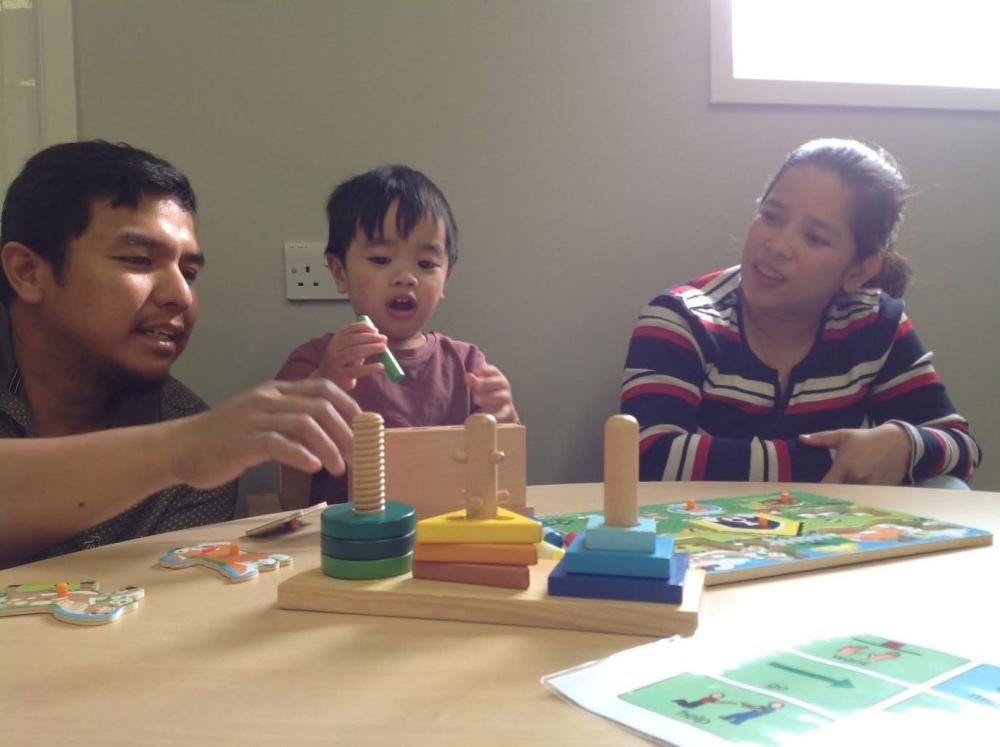
Short learning sessions of 10 to 15 minutes suit most primary-aged children. These brief activities match attention spans and fit naturally into relaxed holiday schedules.
Daily routines often provide learning opportunities. Shopping encourages maths skills when children calculate costs or work out change. Cooking supports sequencing and measurement through simple, practical tasks.
Parents also look for reliable sources when choosing online materials. Trusted organisations help ensure resources remain safe, age-appropriate, and educationally sound, which gives families confidence in their choices.
Some families choose to supplement informal learning with structured online support. An Online Primary School can offer curriculum continuity during longer breaks, allowing children to stay familiar with key subjects while parents avoid recreating classroom lessons at home.
A flexible routine supports balance. Reading after breakfast, practical maths during meal preparation, and simple outdoor science activities keep learning varied and manageable without dominating the day.
Real-world maths and literacy opportunities
Children often respond better to maths when it connects to real situations. Household routines such as shopping or basic budgeting offer meaningful practice without abstract exercises.
Managing a small budget during shopping trips helps children practise addition and mental arithmetic. Older pupils can compare prices or calculate discounts, applying skills in a real context.
Literacy fits easily into holiday activities. Word games during travel support vocabulary development, while keeping a simple diary encourages writing without pressure or assessment.
These activities work because they feel purposeful. Children stay engaged because learning connects directly to everyday life and clear outcomes.
Structured flexibility for holiday learning
A light structure helps children know what to expect while keeping holidays enjoyable. Education specialists often suggest leaving most of the day free, with a short, predictable window set aside for learning. Small learning moments built into everyday routines support continuity without making education feel like the focus of the holiday.
Morning often suits brief learning sessions, as children tend to feel more alert. A relaxed activity after breakfast works well for many families and leaves the rest of the day open.
This approach provides continuity without creating resistance. Children understand learning remains part of daily life, but not the focus of the holiday.
Maximising engagement through choice
Choice plays an important role in motivation. Allowing children to choose between activities, such as art, cooking, reading, or an educational app, increases engagement and supports a more positive attitude toward learning.
When children feel they have a say, learning feels less imposed. Simple decisions give them a sense of control and reduce resistance. A supportive learning environment helps children stay engaged without pressure, especially during holidays, when freedom matters more than structure. This approach supports confidence and encourages willingness to participate.
Choice also helps parents adapt learning to energy levels. Some days suit creative tasks, while others work better for quiet reading or short digital activities. Flexibility keeps learning responsive rather than rigid.
When children feel ownership over their choices, they are more likely to participate willingly. This autonomy supports confidence and reduces conflict around learning time, helping education remain part of daily life without becoming a source of tension.
Parental support and individual progress
Parental involvement links closely to positive learning outcomes. School holidays offer time to support learning in ways matched to each child’s interests and pace, without the pressure of fixed targets or schedules.
Some children enjoy reading challenges, while others prefer researching favourite topics or practising practical skills.
Holidays also allow parents to observe how children approach tasks when time pressure is removed. These moments often reveal strengths, preferences, or areas that benefit from gentle support.
Adjusting expectations to suit individual progress helps maintain confidence. Respecting each child’s individual learning pace allows parents to support development without comparison or pressure. When learning feels achievable and personal, children are more likely to stay engaged and positive about returning to school.
The power of child-led learning projects
Interest-led projects help children build skills across subjects through short daily activities. Exploring local history, creating a nature journal, or researching animals combines literacy, science, and creativity.
These projects work because they begin with a child’s curiosity. This approach reflects the principles of child-led learning, where children explore topics that interest them while developing skills across subjects. A space-themed project might include reading, building simple models, and writing short stories, supporting learning in a connected and engaging way.
Resources can include library books, museum visits, educational websites, or short videos. Parents guide the process without directing every step, which helps children stay motivated.
Balance remains important. Too much control turns projects into homework, while too little support can lead to frustration. Gentle guidance keeps projects enjoyable and productive.
Preparing for a confident return to school
As holidays come to an end, easing back into routines supports a smoother transition. Gradually adjusting bedtimes and reintroducing structure in the final week helps children prepare for term time.
Informal activities often reveal areas that need attention. Reading sessions or simple maths games show how well key skills have been retained.
Sharing brief notes about holiday projects or learning experiences with teachers provides useful context at the start of term.
Reflecting on achievements builds confidence. Looking back at books read, projects completed, or skills practised helps children recognise progress.
School holidays do not need to place learning and rest in conflict. Light structure, everyday activities, and child-led choices help children stay confident without turning breaks into formal study time. When parents support learning in flexible and personal ways, children return to school feeling capable rather than pressured. The goal is not to maintain a timetable, but to keep curiosity, routine, and confidence gently in place until term resumes.