
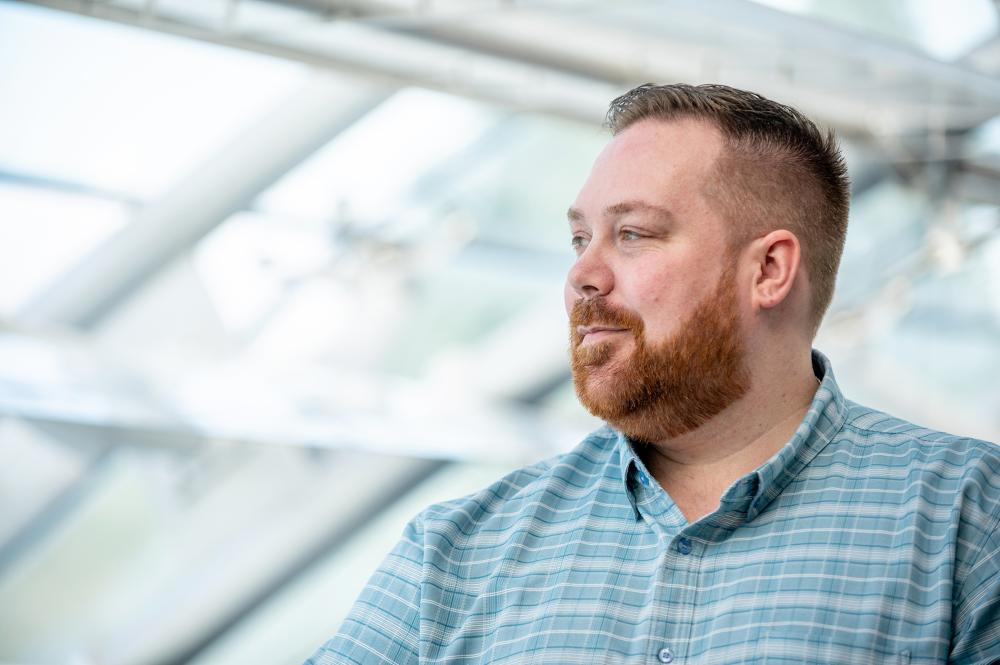
Swindon-based health and safety consultancy, Secure Safety Solutions, is urging organisations to prepare for significant new legal duties designed to improve public safety in the event of a terrorist attack.
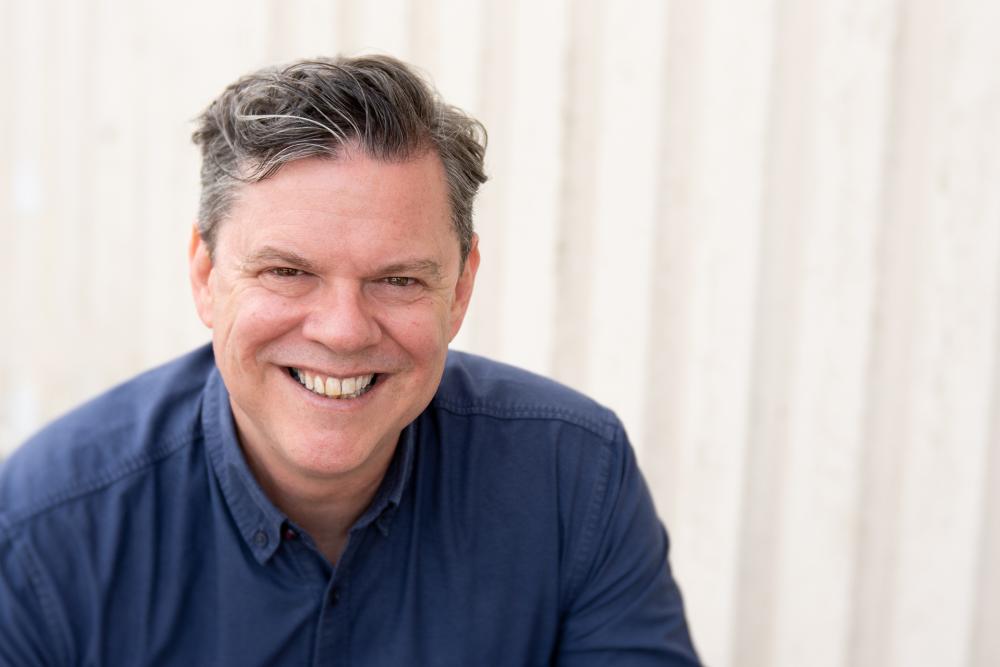
With families visiting attractions, attending events and leisure venues this summer, Andrew Wilkinson, founder of Secure Safety Solutions, says that new risk assessment legislation, Martyn’s Law, will engage health and safety with counterterrorism in a productive and preventative way. This may seem a small risk and distant from most venues yet it’s relevant to any venue which caters for the wider public including venues in and around Swindon and Wiltshire.
Andrew said: “I’ve been following the campaigning for Martyn’s Law since the Manchester Arena attack almost ten years ago. When it received Royal Assent in April 2025, it became clear this was no longer just a proposal but something relevant businesses genuinely need to prepare for.”
Martyn’s Law, posthumously named after Martyn Hett, who died in May 2017 during the Manchester Arena bombing, is legislation aimed at preventing and reducing the harm of terror attacks at event venues.
Andrew said: “In my view, it’s absolutely a positive step forward. For years, counter-terrorism preparedness hasn’t sat alongside health and safety in a formal, structured way. This legislation starts to change that, putting a clear responsibility on those in control of premises to think about how they protect people, not just from accidents but also from deliberate harm.”
Based on Andrew’s expertise and experience, he is urging that taking reasonable and proportionate steps to protect people is enough.
“Firstly, it applies to publicly accessible venues based on capacity. If you can have 200 or more people on site, you are likely to fall within scope of the law,” continued Andrew.
With Martyn’s Law’s two-tier system, venues are mostly prioritising preventative safety measures.
“There is the Standard Tier (200–799 people), which is focused on basic procedures, things like evacuation, lockdown, communication and staff awareness. There is also an Enhanced Tier (800+ people or large events), which requires more detailed risk assessments and proportionate security measures.
“Importantly, this isn’t about turning every premises into a fortress. For most businesses, especially smaller ones, it’s about planning, training and preparedness, not expensive physical security upgrades.”
The act focuses on preparedness and protective security across the UK, requiring premises to prepare for potential terrorist attacks. In Swindon, a wide variety of venues will need to prepare.
Andrew said: “Locally, there are quite a few venues that will fall within scope depending on how they’re used. Somewhere like MECA in Swindon, which can accommodate up to around 1,500 people standing, would clearly fall into the Enhanced Tier when used at full capacity.
“Similarly, locations like Lydiard Park and its conference facilities regularly host events, and depending on attendance numbers, those events could also fall under the legislation.
“Although, it isn’t just obvious “big venues” this change will apply to. Larger retail stores, busy hospitality venues, schools and community buildings like Swindon College alongside the majority of secondary and primary schools will typically stand under the Standard tier. So, in reality, this will touch a very wide range of organisations across Swindon.”
Andrew, who founded his business after being a health and safety specialist for 10 years at Heathrow Airport, sees everyday how organisations have an understand of health and safety requirements.
“They’re familiar with fire risk assessments, policies, and training. Martyn’s Law sits very close to that space,” he said.
Organisations need to prepare by carrying out terrorism-focused risk assessments, developing practical response procedures, and reviewing site layouts and identifying vulnerabilities.
“With my background in aviation security, I am very well placed to suggest proportionate yet effective measures to help a wide range of organisations. For the wider community, this is about improving preparedness across everyday places, shops, venues, events, where people don’t normally think about security risks.
The legislation is urging on the ground staff to prepare for what they would do, how they would communicate and how they would keep people safe in the event of a terror attack.
“The reality is, if something does happen, the first few minutes are critical. That preparation alone can significantly reduce harm and ultimately save lives. There’s a good chance this response will differ from a usual fire evacuation that may have been regularly practiced.”
Andrew says the main message to businesses is to not panic.
“There’s a lead-in period before enforcement (likely around 2027), which gives organisations time to plan and get this right. Those that start early will find that in reality, this isn’t a huge leap, it’s an extension of what good health and safety management already looks like, to identify the risk, plan the response, train your people, and review regularly. And ultimately, that’s exactly what this legislation is trying to achieve."
Secure Safety Solutions is a trusted health and safety consultancy, providing tailored training and solutions to support businesses meet regulatory standards.
Learn more at: https://securesafetysolutions.co.uk/


Your Comments
Be the first to comment on this article
Login or Register to post a comment on this article