
Wiltshire Police has relaunched its Culture, Equality, Diversity and Inclusion Strategy for 2025–2030.
The document sets out how the force will build a fairer and more representative service for communities.
The strategy is focused on four aspects of policing - force communities, the workforce, partner and how to improve policies and processes.
It translates these priorities into annual delivery commitments designed to improve access to policing, strengthen community engagement and independent scrutiny, support workforce wellbeing, and ensure fair, transparent and evidence-led decision-making.
The strategy was originally launched earlier this year and has been substantially revised following feedback from communities, stakeholders and police colleagues.
The new version, the force says, is clearer, measurable and places greater emphasis on how delivery will improve the service communities receive.
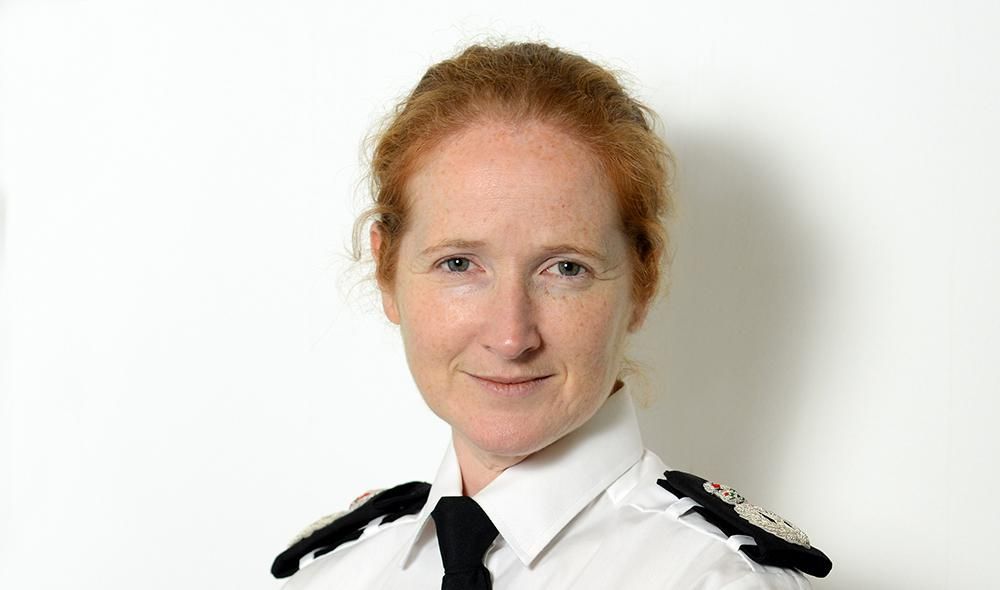
Chief Constable Catherine Roper said: "This strategy sets out the police service we aspire to be and the improved professional delivery the public rightly expect from us.
"Fairness, dignity and respect must shape how we support our people, how we make decisions and how we serve every community across Wiltshire and Swindon.
"By 2030, we want to be a police service that represents and supports our communities, is inclusive and where our people know they belong.
"For our communities, that means more accessible services, stronger relationships with our neighbourhood teams, an improved experience for victims, and fair, professional policing that earns trust and confidence.
"For our workforce, this means a supportive environment where they can excel.
"This is not simply a statement of intent. We have set annual commitments and will communicate progress to our workforce and communities every quarter, including where further improvement is needed.
"This matters because policing by consent depends on public confidence that we use our powers fairly, listen to different experiences and act where outcomes are unequal.
"Our colleagues must also know that they are valued, supported and able to challenge behaviour that falls short of our standards."
Examples of Wiltshire Police’s Year One commitments, covering October 2026 to October 2027, include:
- Introduce new third-party reporting sites – this will extend access to services and support to those who might be isolated, geographically excluded or have low trust in policing
- Establish use of Enhanced Video Response (EVR) – by offering a virtual policing option through which officers handle non-urgent crime reports via secure live video calls instead of attending in person, the force will increase the choice available to people when accessing our support
- Strengthen support for police team members and their families – the force will implement a series of improvements to the welfare provision offered to colleagues and their loved ones
- Publish professional standards trends and outcomes – transparently share how the force is addressing issues where ther service falls short
- Engage at more than 100 community outreach events – Neighbourhood Policing Teams will enhance their visibility at community events and bolster local access to police services
- Deliver workforce equality, diversity and cultural competency training – the force will equip colleagues with insight and the capabilities to ensure communities receive the fairest service possible
- Expand responsibilities under the Police Covenant to support the health and wellbeing of the workforce and their families
Progress will be monitored through the Wiltshire Police Confidence and Legitimacy Board, Strategic and Local Independent Advisory Groups, wider community feedback, workforce insight, scrutiny from the Office of the Police and Crime Commissioner for Wiltshire and Swindon (OPCC), the His Majesty's Inspectorate of Constabulary and Fire & Rescue Service (HMICFRS) inspection process, national benchmarking and delivery against the National Policing Culture and Inclusion Strategy 2025–2030.
The Chief Constable said: "Our communities were clear when we launched the original version of this strategy – they want to have a voice in shaping this work and see tangible outcomes.
"By listening to them, this revised strategy will ensure defined improvements which the community can track and offer constructive challenge."
The strategy can be found here. People can find more information on joining an Independent Advisory Group (IAG) and help shape this work here. Members of the public can also share feedback through their local Neighbourhood Policing Team (NPT). More information can be found here.?






Your Comments
Be the first to comment on this article
Login or Register to post a comment on this article