
Watching sports in 2025 feels completely different than it did just a few years ago. Predictive analytics, live odds, and real-time fan forecasts are now part of the main event—whether you’re streaming at home or following on your phone.
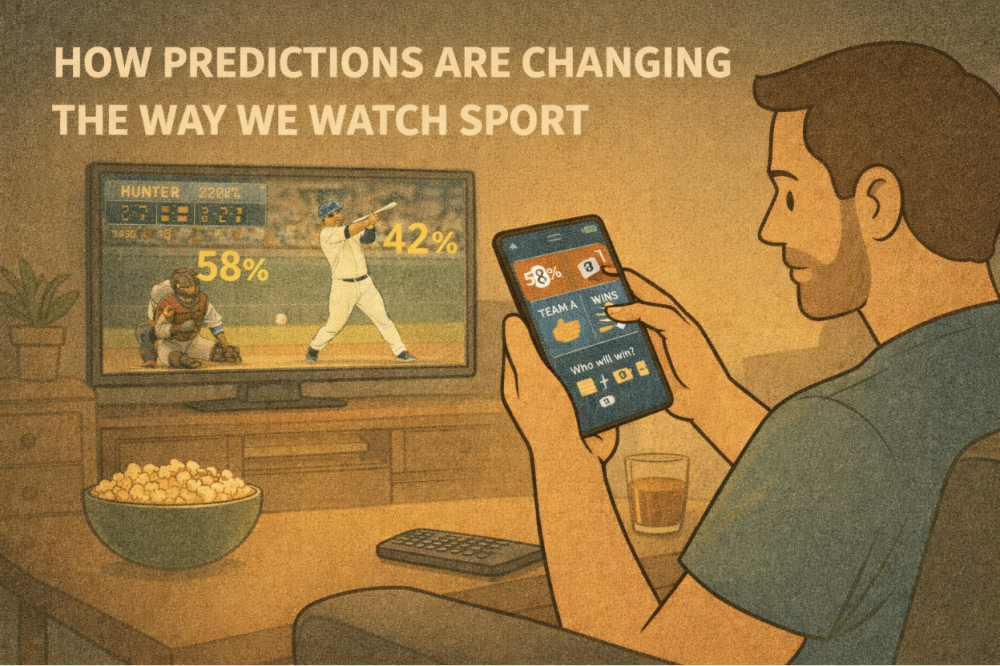
Fans don’t just cheer for their teams anymore. They dive into numbers, track live predictions, and make split-second calls that add a new layer of excitement to every match.
This article looks at how predictions are turning viewers into active participants and pushing broadcasters and teams to rethink their approach.
If you want to know why reading the stats can be as gripping as watching a last-minute goal, you’re in the right place.
The rise of smart betting and predictive engagement
Watching live sport isn’t just about cheering for your team anymore. With predictive analytics and real-time odds now woven into nearly every broadcast, fans find themselves analyzing the game as much as enjoying it.
Platforms focused on smart betting have become must-haves for anyone who wants more than just passive viewing. Instead of waiting for the final whistle, fans can place informed wagers or make micro-predictions throughout the match—whether that’s guessing the next goal scorer or forecasting possession stats.
What I’ve noticed is that the best platforms don’t just throw data at you. They break down complex stats into simple insights, offering live odds that actually reflect what’s happening on the field. That means when a key player gets injured or weather changes mid-game, you see the odds react in seconds.
This level of interactivity draws in even casual viewers. Suddenly, everyone feels like part of the action because their predictions matter—not just for potential payouts, but for bragging rights and social conversation too.
It’s not only about gambling, either. Real-time predictions give broadcasters fresh talking points and keep debates alive in group chats long after the match ends. For many fans today, understanding probability and tracking their picks has become as essential as knowing who’s playing.
Fan experience: from passive spectators to active participants
Watching sport isn’t just a sit-back affair anymore. Predictions have flipped the script, turning fans into active contributors at every turn.
Whether you’re checking real-time stats, joining fantasy leagues, or sparking debates on social media, the way we follow live events has changed for good.
This shift goes beyond flashy graphics or highlight reels. Now, tech platforms let viewers test their instincts and interact with the action in ways that simply weren’t possible five years ago.
The result is a more personal, immersive culture—one where fans help shape the story as it unfolds. Let’s break down how these prediction tools are redefining what it means to watch sport today.
Second-screen apps and live data feeds
The days of relying on TV commentators alone are over. Now, fans use second-screen apps that update instantly with stats, injury news, and win probabilities while the game plays out.
I’ve sat in crowded pubs where half the crowd keeps one eye on their phone. Why? Because these apps feed you information that can change your outlook minute by minute—sometimes even before broadcasters catch up.
Features like personalized alerts and predictive models mean you know when your favorite player’s heating up or when an underdog has a genuine shot.
-
Instant access to advanced stats
-
Real-time predictive win odds
-
Custom notifications based on your preferences
This level of interaction makes following sport feel like a live puzzle you help solve—a big shift from just watching highlights after full time.
Fantasy sports and micro-predictions
If you want to test your sports knowledge against friends (or total strangers), fantasy leagues and micro-prediction games are where things get interesting.
I’ve seen office pools heat up over who’ll score next or whether a quarterback will throw for over 300 yards—not just who wins the match overall.
This micro-level forecasting keeps every play exciting because there’s something riding on each moment. Even small bets or predictions make a mid-season game between lower-table teams worth tuning in for.
-
Create custom fantasy lineups each week
-
Predict single plays or player outcomes in real time
-
Earn points and bragging rights with every correct call
The result is deeper engagement—now fans sweat out every pass or shot alongside their chosen players, not just the final scoreline.
Social media and crowd predictions
The rise of social media means forecasting isn’t just personal—it’s communal. Fans share hot takes through polls, prediction markets, and rolling debates that run from kickoff to final whistle.
Real Sports App Engagement is a standout example from 2024. It delivers lightning-fast play updates and lets users weigh in instantly on what will happen next—fueling real-time discussions as games unfold. This kind of app proves collective predictions are now baked into how millions experience sport together online.
Broadcasters and teams: responding to the rise of predictions
As predictive insights become essential to sports fandom, broadcasters and teams are changing how they connect with audiences.
The broadcast booth is no longer just about play-by-play. It’s now a hub for real-time stats, interactive graphics, and direct engagement tools that let fans feel part of the strategy.
Teams and networks are collaborating with betting platforms and analytics providers to keep viewers hooked from kickoff to final whistle.
This shift isn’t just about making broadcasts more exciting—it’s about giving fans new ways to understand the game, anticipate outcomes, and participate in live action without ever leaving their couches.
Predictive graphics and on-air analytics
Live sports coverage now comes loaded with a constant stream of data overlays—think win probabilities, player performance forecasts, and dynamic heatmaps tracking movement on the field.
This isn’t science fiction anymore. In 2023, FOX Sports teamed up with AWS to launch AI-powered highlights and predictive analytics during MLB, USFL, and FIFA broadcasts. FOX & AWS AI Highlights gave viewers instant access to advanced player stats and evolving odds as each play unfolded.
The result? Fans don’t just watch—they track probabilities, debate likely scenarios in real time, and gain fresh insights into coaching decisions as they happen.
Team strategies and data-driven storytelling
Teams aren’t just using predictive models behind closed doors anymore. Predictive analytics shape everything from pre-game scouting reports to mid-match adjustments—and increasingly appear in fan-facing content too.
For example, some clubs now release short videos breaking down “win likelihood” swings after key moments or publish data visualizations explaining tactical shifts that impacted the outcome. These efforts help demystify coaching choices for casual fans while adding serious depth for die-hards.
I’ve seen European football teams use these tools not only for better recruitment but also as a way to share their analytical thinking directly with supporters—helping build loyalty around transparency as much as results on the field.
Responsible gambling and viewer protection
The surge in predictive betting means leagues and broadcasters can’t ignore viewer safety. Many have added clear messaging about responsible wagering right into live streams or highlight reels.
You’ll now spot built-in self-exclusion tools on digital platforms plus links to support organizations during high-stakes moments. Some broadcasters even pause commentary to remind viewers about safe play practices when discussing live odds or bet suggestions.
This proactive approach is becoming standard—making sure excitement never overshadows ethics or wellbeing as predictions take center stage in sports entertainment.
The future of predictions in sport: trends and challenges
Sports predictions are quickly moving from novelty to necessity for both fans and industry insiders. The next wave brings new ways to watch, interact, and even feel invested in every match.
AI, global platforms, and real-time analytics promise more tailored experiences than anything we’ve seen before. Still, as prediction tools grow more powerful, balancing excitement with fairness and integrity will be crucial for leagues and fans alike.
AI, machine learning, and hyper-personalization
Personalization is the new standard in sports viewing. AI now tracks fan behavior, preferences, and even real-time reactions to fine-tune what each viewer sees or hears during a game.
You might log in and get predictions on your favorite player’s performance or receive suggested bets based on your past interest. These algorithms adjust in real time—if you start following basketball midseason or show an interest in goals rather than stats, your content shifts accordingly.
AI Personalization in Sports shows that by 2024, some broadcasters already deliver instant highlights or odds updates tuned to each user. For fans who want insight without overload, this kind of customization feels less like noise and more like genuine value.
Globalization and diverse fan communities
Predictive platforms have erased borders for sports fandom. Fans in Lagos can debate with others in London or Mumbai about the odds of a rugby upset—all while getting tailored content feeds.
This global connection raises practical questions. What works for Premier League football may not land the same way for cricket fans in India or NFL supporters in Mexico City. Rules around betting also vary widely; a platform popular with punters in Europe may need adjustments before it launches in Japan or Brazil.
The best predictive apps find ways to adapt—offering language options, respecting local gaming laws, and catering to cultural preferences around risk and competition. Those that don’t risk losing ground fast as audiences demand relevance as well as reach.
Balancing data, excitement, and fairness
The rise of predictive insights means fans expect both transparency and thrill from every match. If predictive overlays feel manipulative or disrupt the drama of a close finish, they can turn viewers off instead of drawing them closer.
Responsible providers are building clear guidelines about how data is used on screen—and making sure no one gets an unfair edge. The challenge is keeping the action unpredictable enough that every fan still feels the magic of sport unfolding live.
Conclusion
Predictions have become an everyday part of the way we follow sport, shaping everything from casual viewing to heated debates between fans.
Live data, real-time odds, and interactive forecasts are no longer just side features—they’re driving the action as much as the players on the field.
The real challenge now is using these tools to deepen our enjoyment without losing sight of what makes sport thrilling in the first place: unpredictability and community spirit.
If we get that balance right, predictions will make every game more meaningful for fans everywhere.