
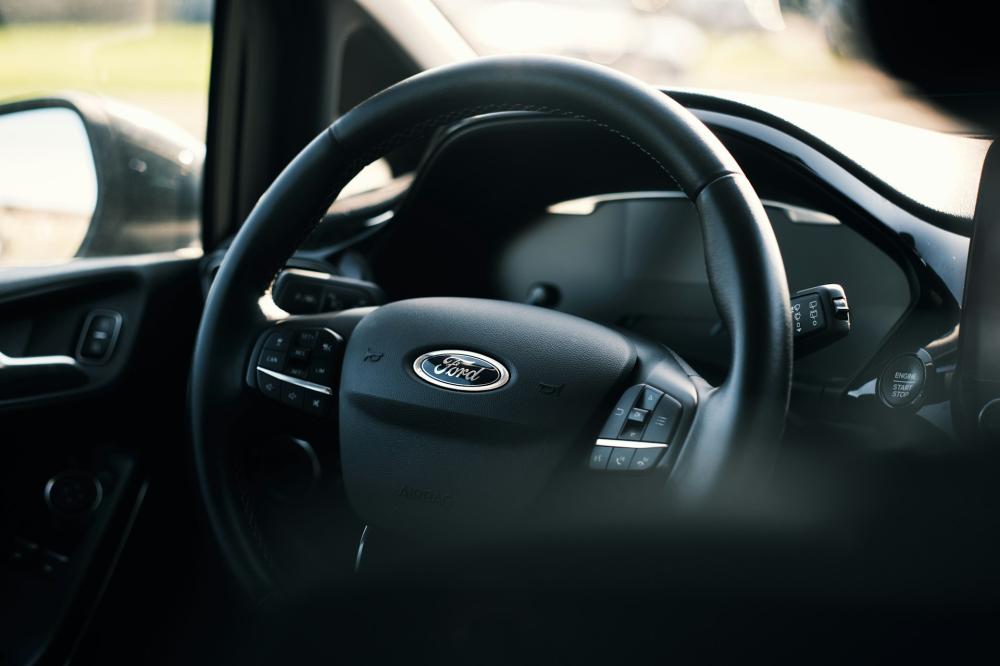
The car a person drives often reveals more than their taste in design or preference for performance. It can reflect lifestyle priorities, values, and even personal goals. From compact hybrids for city living to heavy-duty trucks for outdoor work, every type of vehicle connects to a broader set of needs and habits. Vehicle choice is not only a practical decision but a reflection of how individuals live, spend their time, and manage their daily routines. As transportation technology evolves and the range of available models expands, the relationship between vehicles and lifestyles continues to grow deeper.
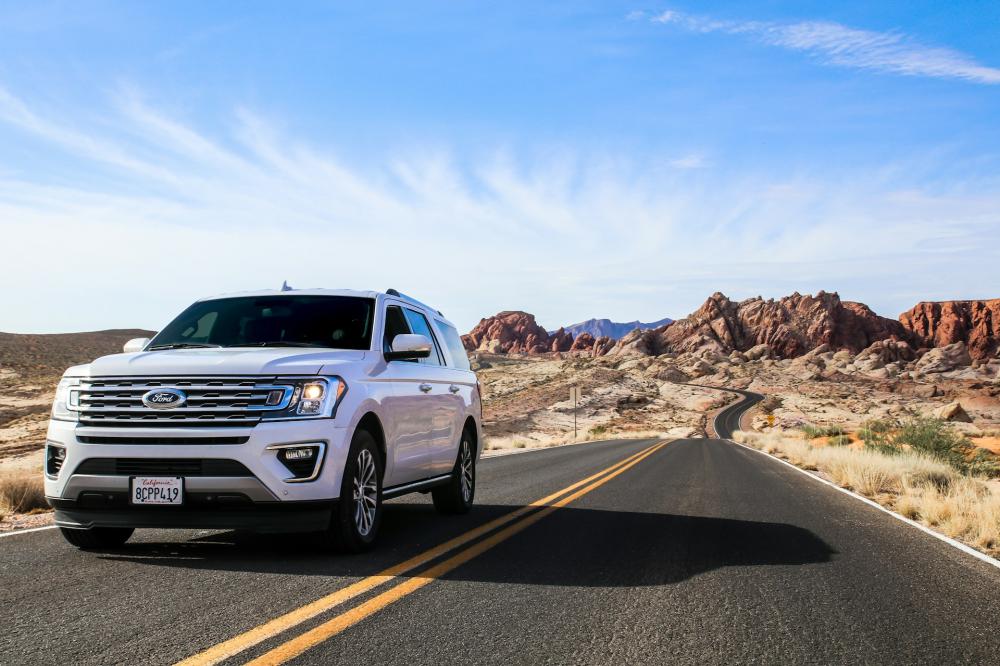
Photo by Tim D on Unsplash
Finding Balance in Used Cars
For many drivers, practicality sits at the heart of their car-buying decisions. A vehicle is often a financial investment, so balancing affordability with dependability is crucial. Used cars have gained widespread appeal for offering reliable performance without the steep depreciation associated with new models. Buyers searching for dependable options often seek to find quality used Ford models, placing value on durability and accessibility in the middle of their car selection process. The attraction to used vehicles extends beyond price; it represents a thoughtful choice made by people who value financial responsibility, sustainability, and long-term function.
Used cars serve diverse lifestyles, from first-time buyers seeking affordable independence to families needing a second car for everyday tasks. These vehicles often carry lower insurance rates and can offer high-end features at a fraction of the original cost. Beyond the economic aspect, many people see purchasing a used car as a sustainable decision that reduces environmental impact by extending a vehicle’s life cycle. This practicality aligns perfectly with individuals who approach life with measured, deliberate choices, favoring value and resourcefulness over luxury or excess.
Compact Choices for City Life
City living often calls for vehicles that make navigation and parking more manageable. Compact cars and hybrids dominate this space, offering fuel efficiency and agile handling that match the fast pace of metropolitan environments. For those who spend much of their time weaving through narrow streets and tight spaces, smaller models provide a sense of control and ease. These vehicles reflect a lifestyle driven by convenience, quick access, and adaptability.
Urban drivers tend to prioritize efficiency in all areas of life, not just in transportation. Their car choice often mirrors a schedule packed with professional commitments, social outings, and spontaneous plans. Many prefer hatchbacks and hybrids that balance modern technology with low maintenance demands..
Safety and Space Above All
For families, vehicle selection is rarely about speed or style; it centers on safety, space, and reliability. Minivans and SUVs have long been the go-to options for parents who juggle school runs, grocery trips, and weekend activities. These vehicles are designed to carry passengers comfortably, handle various terrains, and store everything from sports equipment to strollers. Safety features such as multiple airbags, advanced braking systems, and driver-assist technologies are top priorities, reflecting a lifestyle that values protection and peace of mind.
Families often select vehicles that adapt to changing needs. A car that once served as a simple means of transport may evolve into a hub for road trips or family vacations. Features like entertainment systems, adjustable seating, and ample storage transform the experience, turning long drives into comfortable journeys. Beyond the physical traits of the vehicle, this decision mirrors a mindset that prioritizes stability and shared experiences. The family vehicle becomes a trusted companion that supports both daily routines and memorable adventures.
Power, Endurance, and Freedom
Adventure seekers and outdoor lovers often lean toward trucks, SUVs, or off-road vehicles that can withstand unpredictable terrains and demanding conditions. For these individuals, driving is not just about getting from one place to another; it’s about exploration and capability. A rugged vehicle reflects a lifestyle built around resilience, strength, and independence. Whether tackling muddy trails, towing a camper, or carrying sports gear, these vehicles serve as tools for personal freedom.
The preference for power and endurance extends beyond physical utility. It often represents an approach to life grounded in determination and flexibility. People who embrace the outdoors value experiences over comfort, choosing vehicles that support their passion for discovery. Modern manufacturers have catered to this group with models that combine toughness with comfort, offering improved fuel efficiency and advanced safety systems without sacrificing performance. For the outdoor enthusiast, the vehicle is both a gateway and a safeguard, enabling journeys that shape personal fulfillment.
Efficiency Meets Comfort
For those who spend long hours behind the wheel commuting to work, comfort and efficiency matter most. Sedans and electric vehicles often appeal to professionals seeking reliability and a calm driving experience. A smooth ride, good fuel economy, and an ergonomic interior help reduce the strain of daily travel. Many professionals appreciate vehicles with connectivity features such as hands-free calling, navigation assistance, and adaptive cruise control; tools that make long commutes feel more manageable and productive.
Electric and hybrid models have also gained ground among commuters who want to cut fuel costs and embrace sustainability without sacrificing performance. These cars mirror a lifestyle that balances career ambitions with environmental awareness. Comfort, convenience, and technology combine to create an experience tailored for people who view their car as an extension of their workspace. For them, the right vehicle is not just about transportation; it contributes to efficiency and focus throughout the day.
Vehicle choice serves as a mirror reflecting the many priorities that shape modern life. Whether navigating city streets, family journeys, or open highways, the connection between vehicle choice and lifestyle continues to reveal how personal identity and mobility intertwine in an ever-changing world.