
Hundreds of homes and businesses in the Wessex area across Wiltshire, Somerset, Bristol, Gloucestershire and Dorset, will be better protected from flooding thanks to investment in over 70 new and upgraded schemes, the Environment Agency announced on Tuesday 17 March.
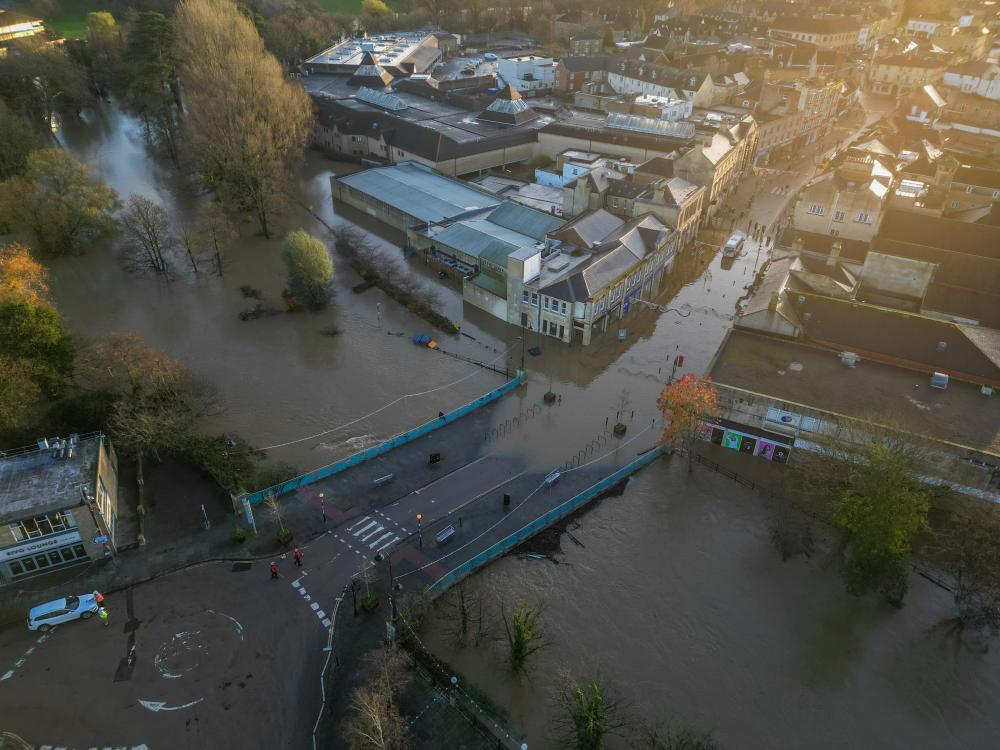
Aerial view of Chippenham during flooding in November 2024
This sits within a £1.4 billion planned national investment in flood defences in 2026/27 — part of the largest flood programme in England's history, with at least £10.5bn being invested between 2024 and 2036 to protect homes, businesses, and critical infrastructure from the growing threat of flooding.
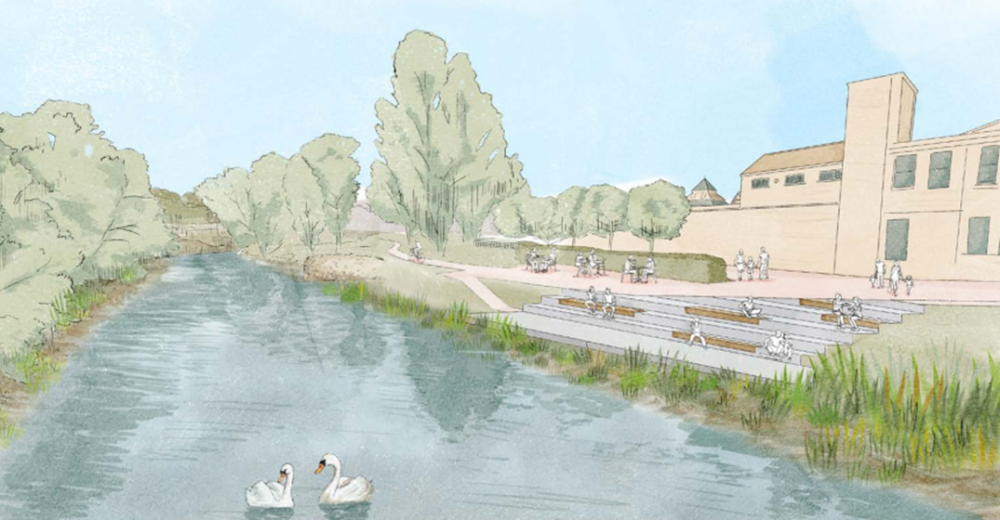
The Chippenham Avon Project represents a once-in-a-generation opportunity to transform the town's centre and riverside, combining flood risk reduction with long-term regeneration, especially after the severe floods of November 2024. By replacing ageing infrastructure, the scheme will deliver lasting protection to 107 properties, while helping to unlock the town's potential as a place to live, work and invest.
In the 2026/27 financial year, £1.19m has been allocated to the project, with £399,000 coming directly from Grant in Aid FCRM funding. This confirmed investment provides the certainty needed to move the scheme forward with confidence, as part of a broader partnership commitment to Chippenham's future, working with Wiltshire Council and Chippenham Town Council.
Floods Minister Emma Hardy said: "Flooding can turn lives upside down in a matter of hours, destroying homes, shutting down businesses and leaving communities facing months of heartbreak and recovery.
"This £1.4bn investment will help protect tens of thousands of homes and businesses across the country and strengthen the defences families rely on when the worst happens.
"We've already stepped in to stabilise our flood assets after years of decline and this funding goes further, creating thousands of jobs, protecting communities from billions of pounds of damage, and unlocking new homes and businesses in places made safer from flooding."
Across the South West, more than 300 properties — mostly in Dorset, Wiltshire, Devon, and Cornwall — have been flooded this year, a stark reminder of the toll that extreme weather takes on residents and businesses.
The £260m committed nationally to managing, maintaining, and repairing flood defences — including those damaged by Storms Goretti and Chandra — will help ensure the infrastructure that Somerset and other vulnerable communities depend on is restored and strengthened for the future.
Caroline Douglass, Environment Agency Executive Director for Flood and Coastal Risk Management, said: "This investment allows the Environment Agency and our partners to continue our work needed to protect communities from flooding.
"With more than 600 schemes being delivered across England, in partnership with local authorities, homes and businesses will benefit from stronger defences.
"From major flood barriers and strengthened embankments to natural flood management and coastal defence projects, we're combining engineering and nature-based solutions to reduce flood risk and build long-term resilience for communities across the country."
Ian Withers, Environment Agency Area Director for Wessex, said: "We've seen first-hand the devastation that flooding brings to communities across the South West and beyond. Recent storms have caused serious flooding across the Somerset Levels and Moors, and groundwater flooding has affected homes and properties across Dorset and Wiltshire — a reminder of just how real and persistent flood risk is for people in this region.
"This strategic investment means we can push forward with vital schemes like the Bridgwater Tidal Barrier, the largest flood defence scheme in Somerset, which will offer much-needed protection to homes and businesses that have faced the anxiety and disruption of flood risk for far too long.
"For communities across the region, this isn't just funding — it's reassurance that we are committed to protecting the places people live, work and depend on."





Your Comments
Be the first to comment on this article
Login or Register to post a comment on this article