
Smartphones have transformed photography by making high-quality cameras accessible to almost everyone. People can capture photographs, edit images, and share memories within seconds without carrying additional equipment. However, despite the convenience of modern smartphone cameras, digital cameras are experiencing renewed interest among photography enthusiasts and younger consumers.
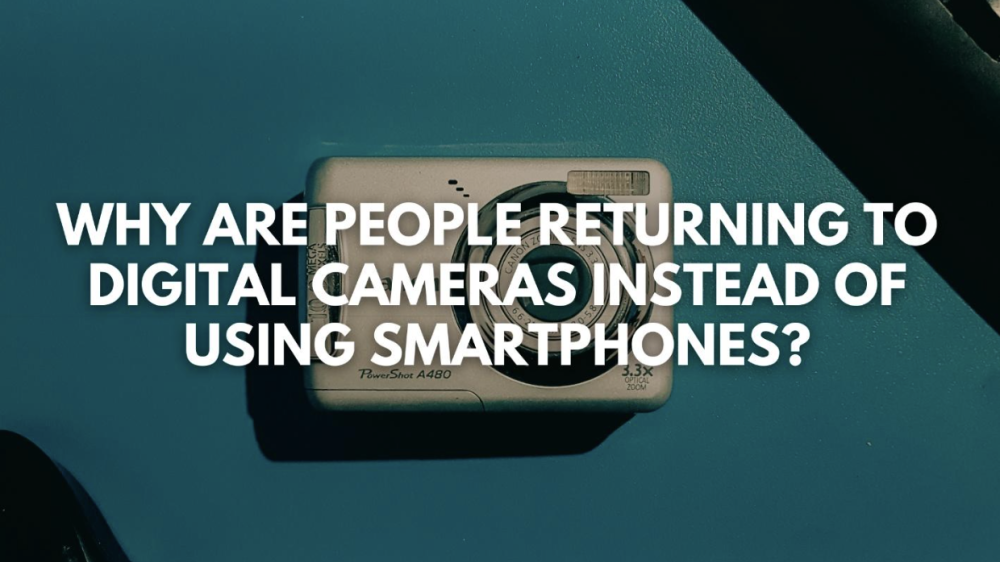
From compact point-and-shoot models to older digital cameras from the early 2000s, dedicated photography devices are finding their way back into everyday life. This growing interest is not necessarily about replacing smartphones. Instead, it reflects a desire for different photography experiences, creative control, and a more deliberate approach to capturing memories.
Here are seven reasons why people are returning to digital cameras instead of relying entirely on their smartphones.
1. Digital Cameras Offer a Different Photography Experience
One major reason behind the digital camera revival is the experience of using a dedicated photography device.
Smartphones are designed to handle multiple activities, including communication, entertainment, browsing, and photography. Digital cameras, on the other hand, are primarily built around capturing images.
Their physical buttons, dedicated controls, viewfinders, and adjustable settings encourage users to pay closer attention to composition and camera operation.
For some photography enthusiasts, this process makes taking pictures more enjoyable. Instead of immediately opening a camera application and tapping the screen, they can concentrate on framing the subject and choosing the appropriate settings.
2. They Provide Greater Manual Photography Control
Although modern smartphones offer impressive camera features, dedicated digital cameras often provide more extensive manual controls.
Depending on the model, users can adjust shutter speed, aperture, ISO, focus, and exposure settings.
These controls are particularly useful for people interested in learning photography beyond automatic shooting modes.
For example, someone photographing a moving subject can experiment with shutter speed to control motion blur. Landscape photographers can also explore aperture settings to manage depth of field.
This flexibility makes digital cameras attractive to individuals who want to develop their technical photography skills.
3. Older Digital Cameras Create a Nostalgic Look
The renewed popularity of older digital cameras is also connected to nostalgia.
Many people associate early digital photography with childhood vacations, school activities, family gatherings, and memorable occasions.
Older compact cameras often produce images with distinctive characteristics, including softer details, flash-heavy exposure, and color rendering that differs from modern smartphone processing.
Some younger consumers appreciate these imperfections because they create a recognizable visual style.
Instead of pursuing perfectly sharp images, they enjoy photographs that feel spontaneous and personal.
This interest in nostalgic aesthetics also reflects a broader appreciation for older technology, much like the renewed interest in vintage music players and classic video game consoles.
4. Digital Cameras Can Deliver Better Results in Certain Situations
Smartphone cameras have improved considerably, but dedicated digital cameras can still offer advantages depending on the model and shooting conditions.
Many interchangeable-lens cameras have larger sensors than smartphones, allowing them to capture more light and provide greater control over depth of field.
Dedicated cameras may also offer optical zoom capabilities that outperform the digital zoom available on many smartphones.
For wildlife photography, sports events, portraits, and low-light environments, an appropriate digital camera can provide meaningful advantages.
However, not every digital camera automatically produces better photographs. Sensor size, lens quality, image stabilization, autofocus, and the photographer's skills all influence the final result.
5. Using a Camera Helps Reduce Smartphone Distractions
Smartphones are convenient, but they can also become sources of constant distraction.
A person intending to take a photograph might end up checking notifications, browsing social media, answering messages, or opening unrelated applications.
Dedicated digital cameras offer a more focused alternative.
Without the usual collection of smartphone applications, users can concentrate on capturing moments rather than switching between digital activities.
This can make photography feel more intentional, especially during vacations, family gatherings, and outdoor adventures.
Similar to how people explore different recreational activities, whether photography or casual entertainment such as Peryagame on GameZone, having a dedicated activity can make leisure time more engaging.
6. Compact Digital Cameras Are Becoming Fashion Accessories
Digital cameras are no longer viewed exclusively as technical equipment.
Compact models have become popular accessories among people interested in photography, fashion, and lifestyle content.
Their small designs make them convenient to carry, while older models offer distinctive appearances that stand out from modern smartphones.
Some users also enjoy sharing photographs captured with dedicated cameras because the results provide a different visual identity for their social media content.
However, buyers should distinguish between genuine photography benefits and temporary online trends. An older camera may have limited battery life, outdated storage formats, or lower image resolution than a current smartphone.
Choosing a device should depend on personal needs rather than popularity alone.
7. Photography Is Becoming a More Intentional Hobby
Perhaps the biggest reason people are returning to digital cameras is their interest in experiencing photography as a hobby rather than simply using it as a smartphone feature.
Dedicated cameras encourage experimentation, patience, and creativity.
Photographers learn how lighting affects images, how different lenses change perspectives, and how camera settings influence the final photograph.
These skills can make photography more rewarding over time.
People also have opportunities to explore different photography styles, including street photography, portraits, landscape photography, and documentary photography.
For many enthusiasts, the objective is no longer simply to capture as many photographs as possible. It is to create images that communicate a particular moment or feeling.
Should You Choose a Digital Camera or Smartphone?
The decision depends on how you intend to use your device.
Smartphones remain practical for everyday photography because they are portable, convenient, and capable of immediately sharing images.
Digital cameras are more appealing to people who want dedicated photography controls, optical zoom options, interchangeable lenses, or a different shooting experience.
Neither option is universally better. Both have advantages depending on the photographer's priorities and budget.
Final Thoughts
The return of digital cameras demonstrates that technological convenience does not always replace the appeal of traditional devices.
Although smartphones continue to dominate everyday photography, dedicated cameras offer creative control, nostalgic aesthetics, and a more focused experience.
For some people, photography is no longer just about capturing an image quickly. It is about enjoying the process of creating something memorable.
Whether exploring photography, collecting older gadgets, or enjoying recreational activities such as Peryagame on GameZone, people continue to find different ways to make their leisure experiences more interesting.
Ultimately, the renewed interest in digital cameras is not necessarily a rejection of smartphones. It is a reminder that sometimes, using a dedicated device can make an everyday activity feel special again.