
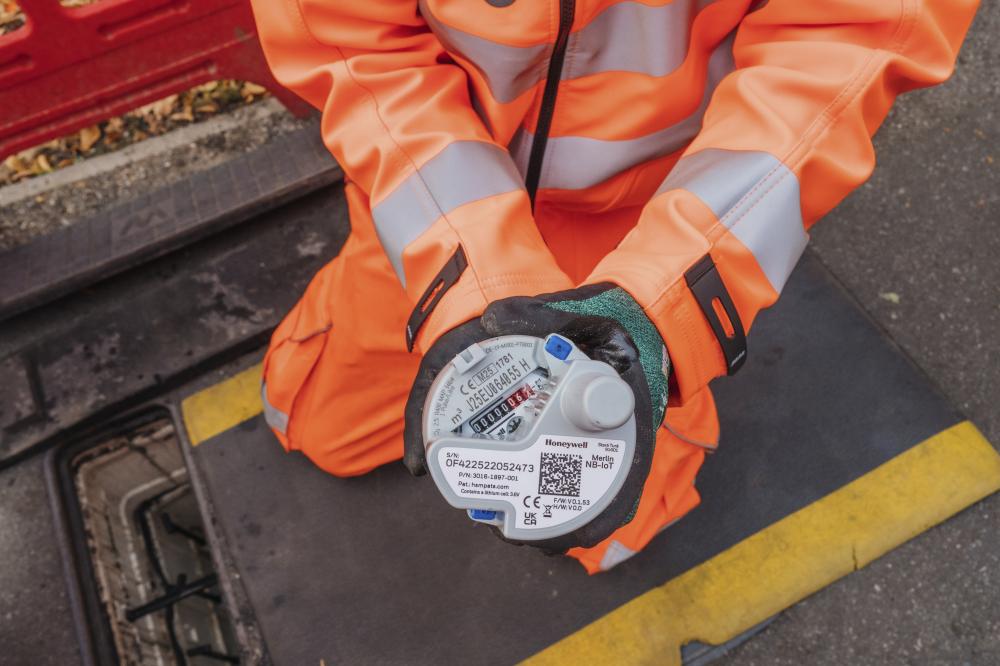
Thames Water says it has reached a major milestone in its programme to upgrade water meters for businesses as with more than half of non-household meters using smart technology.
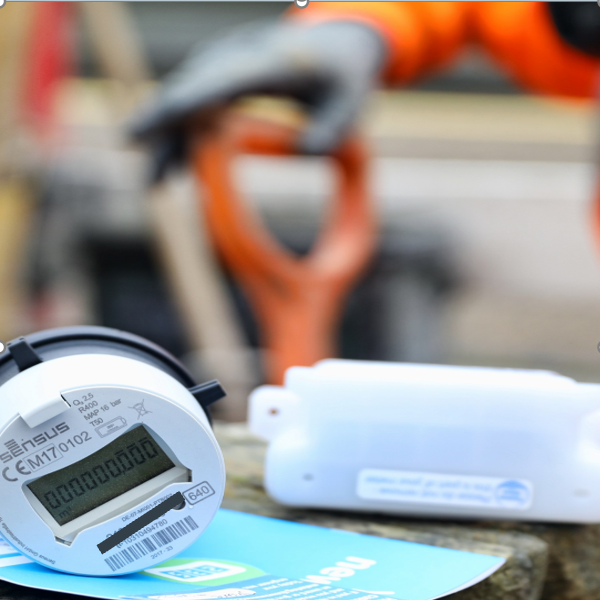
The company is also launching three new initiatives to help business customers reduce demand, cut waste and protect water supplies during one of the driest periods in decades.
As part of the biggest upgrade to its network in 150 years, the company has now installed more than 90,000 smart meters across its non-household network.
Over half of its 170,000 metered business customers now benefit from detailed water usage information that helps them identify leaks sooner and reduce unnecessary water use.
The non-household programme has more than doubled in scale compared to the previous five year period, with Thames Water now installing around 2,000 smart meters each month and targeting approximately 27,500 installations during 2026.
The programme includes installations at a wide range of sites, from small independent businesses and schools through to some of the largest commercial and industrial water users in the country.
Thames Water has also completed smart metering projects at several complex locations across its region, helping extend the benefits of the technology to more organisations.
Smart metering is a key part of Thames Water's work to reduce demand for water, helping businesses play their role in protecting a precious resource while building resilience for future generations.
Smart meters, the firm says, provide near real-time data on water consumption, helping businesses understand how it is used across their sites and identify potential leaks earlier.
The technology is already helping reduce continuous flows of water, which can indicate hidden leaks or equipment issues.
The company has written to thousands of businesses where smart meter data has identified potential issues. In August alone, more than 2,100 letters were sent to customers highlighting continuous water flow that may warrant investigation.
Thames Water has seen the proportion of smart-metered businesses showing continuous flow reduce from 34% to 28%.
Building on the insight provided by smart meter data, in response to the current drought, Thames Water is introducing a package of new non-household demand reduction measures. These include a Smart Water Saver scheme that will reward eligible businesses with bill credits where they reduce water consumption by at least 10% compared to the same period last year.
Thames Water, working with water retailers, is reaching out to business customers with the biggest continuous flow to directly identify and fix the customers’ leaks and other wastage.
The company is also temporarily turning off the water supply to confirmed vacant business premises.
Together, the three initiatives are expected to save around 16m litres of water every day, with the largest saving expected from tackling continuous flow at business premises.
Thames Water will use smart meter data to identify the biggest opportunities for immediate savings and work directly with businesses and retailers to reduce unnecessary water loss.
Mark Cooper, Head of Smart Metering at Thames Water, said:
"Reaching the milestone of more than 90,000 smart meters installed across our metered business customer base is a significant achievement.
"Smart meters give businesses access to better information about how they use water, helping them identify issues earlier and make informed decisions about their consumption.
"The insight we're gaining is also helping us better understand non-household demand across our region, identify opportunities to save water and support our plans to secure resilient water supplies for the future.
"Following the hottest summer on record, it is important we all play our part to protect vital water resources. By combining smarter data with practical support and incentives for businesses, these new initiatives can help reduce waste and protect those resources when they are needed most."
The smart metering programme forms part of Thames Water's wider work to reduce water demand, improve efficiency and secure future water supplies as the company delivers the biggest upgrade to its network in 150 years.
The new business water-saving initiatives build on this approach by using smart meter data to reward lower consumption, target hidden waste and prevent unnecessary use at vacant premises.?






Your Comments
Be the first to comment on this article
Login or Register to post a comment on this article